mattress topper review uk
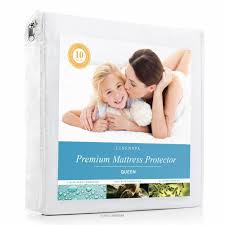
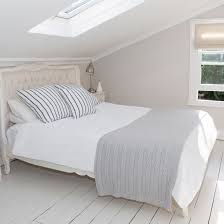
If you want to turn your nightly sleep into a totally relaxing experience, a mattress topper could be just what's needed. As well as making you even more comfortable, mattress toppers protect your mattress from wear, and mattress and pillow protectors protect against wear, spills and sweat marks. All of which should help them last longer, while looking – and feeling - better. Think about the basics. A mattress topper won’t solve the issue of restless nights if your real problem is an old, lumpy mattress that needs replacing. Mattress toppers should make a good mattress feel even more comfortable. If you’re thinking about buying protectors, it’s worth buying them with, or as soon as possible after buying a new mattress and pillows. This will help to keep them spotless. Sheets and pillowcases mostly come in different grades of cotton, polycotton, (a cotton and polyester blend), linen, and silk. When you’re deciding on the fabric for your bedding, there are three main things to look out for: the fibre, the thread count and the weave.
The fibre can be different types of cotton, polycotton, linen and silk. Bedding is most commonly made from cotton, and this comes in short to long staples – or length. Cotton with a long staple will usually feel soft and smooth. You’ll find a variety of different types of cotton to choose from. Egyptian cotton, grown on the Nile delta, has an extra long staple. It is known for its softness, strength and hard-wearing qualities. Pima cotton also has an extra long staple, and is soft and smooth to the touch. It is grown mostly in the USA, Peru and Australia. It’s important to take into account is how fine the cotton yarn is. Finer yarn is softer than thicker yarn, and will make softer fabric even if the sheet or pillow case has a lower thread count. The thread count (TC) tells you how many threads are even into each square inch of fabric. With finer threads, more can be woven in. The higher the thread count, the better quality the fabric is, and the better it feels against your skin.
The thread count of standard cotton is around 150TC, with 180 considered good quality. Anything above 200TC is high-quality, but the count can go up to as high as 400, 800 and 1,000 for the very finest threads. You can also choose linen and silk bedding. Linen sheets are usually softer to the touch and more luxurious than cotton, and so more expensive.
heated mattress cover bed bath beyondHowever they are popular because they are cooler than cotton sheets, and can last for years.
best organic baby mattress 2013Silk sheets can also last for some time if you take good care of them, and keep you warmer through the cold winter months.
non toxic baby mattress The weave describes the way in which the fabric is woven.
queen mattress foundation sale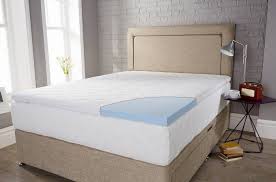
Plain weave, is just as it says, a plain woven fabric. The warp threads (those going down the length of the loom) and the weft threads (those going sideways across the width of the fabric) are woven in a straightforward one up, one across design, as you would find on most sheets and pillow cases.
mattress store west seattle Percale fabric is similar to a plain weave fabric, but it has a much tighter weave and usually has a thread count from 200 to 400.
king size beds for sale liverpoolIt feels smooth to touch, and usually has a matte appearance. Sateen is made so that there are more warp threads on the top surface of the cotton fabric. This makes it feel smoother than a Percale weave. Satin weave is usually used with silk or polyester fibre. This produces a surface that is mostly made up of horizontal (rather than vertical) threads.

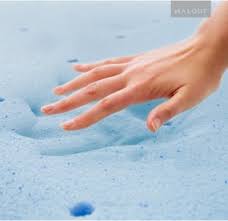
Flannelette is created by rubbing the weft threads, so that it fluffs up. This makes the fabric feel soft. Mattress toppers come in sizes that fit single to super king size beds. They also come in a variety of fillings, from wool, goose or duck down and microfiber. Some toppers include memory foam. Hollowfibre toppers are usually non-allergenic, so a good choice if you have allergies. Mattress protectors do just what they say – help protect your mattress from spills, sweating and other stains, and from everyday – or every night – wear and tear. Depending on how thick they are, mattress protectors can also make your bed feel softer. Mattress protectors are available in cotton, quilted cotton, with a breathable waterproof layer, and in some cases, temperature regulation, to stop you over heating, or getting too cold. Pillow protectors help prevent your pillows becoming stained from spills, sweat marks and any nighttime dribbling. This extra layer can also make your pillow more comfortable.

Pillow protectors come in a number of fabrics and treatments. You can buy polycotton, plain cotton, quilted cotton – which can make your pillows feel softer – and breathable waterproof pillow protectors. Some pillow protectors have zips at one end, to keep them securely in place. Sheets and pillowcases come in sizes to fit beds ranging from a single at 90x190cm to a super kingsize, measuring 180x200cm. You can choose pillowcases to fit a variety of pillow sizes and shapes, from a standard pillowcase at 50x75cm, to a kingsize pillowcase measuring 50x90cm. If you have allergies, do look out for anti-allergenic products as they could make a difference to how often you struggle with allergies and how well you sleep. Many outlets, whether they specialize in bedding or sell a wide range of goods, now offer anti-allergenic products. When you aren’t using bedding, make sure you store it somewhere clean and dry. Large, breathable duvet storage bags can be useful for storing other bedding, such as pillows and toppers, as well as duvets.