mattress pads for bed bugs
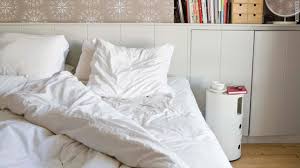
(CNN) -- It's a wild, nasty world under the sheets. The mattress can be a jungle of dust mites and bedbugs, milling around among dried remnants of blood, saliva, sweat and basically all the other bodily fluids you can think of. Bedbugs have become minor celebrities this week with a report from the National Pest Management Association showing that the problem is on the rise. Bedbug calls have gone up by 81 percent since 2000, the study said, and 67 percent of surveyed pest management companies have treated bedbug infestations in hotels or motels. These insects are about a quarter-inch long and eat at night, said Howard Russell, entomologist with diagnostic services at Michigan State University. Impressively, while humans can live only a matter of weeks without food, bedbugs can live up to one year without eating -- and their meals consist of blood. "They're well-adapted to being a parasite," Russell said. "It's really hard to starve them out." Bedbugs, which leave behind itchy bite marks and can even lead to allergic reaction in some people, aren't the only pests that could be lurking beneath your pillow.
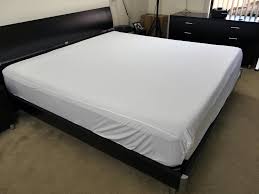
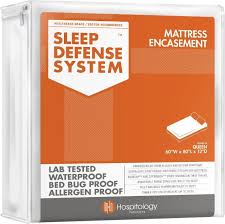
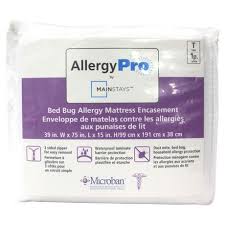
About 10 percent of people are sensitive to house dust mites, said Dr. Clifford Bassett, an allergist in New York. They are even more of a problem for people with asthma. As if the presence of microscopic eight-legged vermin weren't gross enough, consider that it's not the mites that cause some people to cough and sneeze. If this is a problem, consider trying an "allergy-proof" slip cover on your mattress to keep the mites trapped in, so they can't access your sheets and pillows, he said. Also, wash your linens in 130° F heated water frequently. Children's toys can also serve as home to dust mites, so if they're not machine-washable, put them in bags in the freezer for five hours at a time to kill the invisible bugs. Good vacuuming of the mattress itself is a key line of defense against allergy-causing mites, said Dr. Sharon Horesh Bergquist, assistant professor in the department of medicine at Emory University. "I don't think people give a lot of thought and energy into proper mattress care. "

All of these bugs and the traces they leave behind, along with the fluids and hair of the human body and whatever pets might hang out on the bed, add up.
sofa bed sale northern irelandCompanies such as Sit 'N Sleep Mattress Superstore warn that mattresses double in weight every eight to 10 years because of that accumulation of dust mites, bodily fluids and other wear and tear. But Saks says claims of mattresses doubling weight are probably exaggerated. That would mean that the mattress would weigh four times as much in 20 years, which is "obviously not possible," he said. Bergquist is also skeptical about claims of mattresses doubling in weight. Saks says you should pay attention to the warranty on your mattress -- when it runs out, that's probably a good time to get rid of the mattress. Over time, the foams and coils compress, making it less comfortable. The warranty usually gives instructions on taking care of the mattress, and usually recommends rotating it every two weeks in the first few months to even out the impressions left by sleeping bodies.
Eventually you can just rotate it every six months, he said. If you suspect that there are bedbugs in your hotel room, don't leave your luggage in there or cover it with plastic bags so that you don't take them home with you, Russell said. A mattress infested with bedbugs should be thrown out right away, Russell said, or else covered with a heavy-duty plastic bag. Here's how you tell if the nagging red spots on your legs came from bedbugs or mosquitoes: it's the bedbugs that leave dark, reddish-brown spots on the sheets because they defecate as they feed, he said. "Inspection is really a key element in identifying a bedbug problem and preventing a bedbug problem," he said. "A magnifying glass would help you in your quest to find them."Sleepopolis is supported by readers. Product links on Sleepopolis are referral links. If you use one of these and buy something Sleepopolis makes a little bit of money. See how it all works here.Do I need a mattress pad or mattress protector for my new Casper, Tuft & Needle, Leesa, Saatva, or other online mattress?
This is by far one of the most common questions I receive on my blog, and it’s long over due for a quick question and answer post. First off, it’s important to note the differences between mattress pads and mattress protectors. A mattress pad is a relatively thick piece of quilted material that sits on top of your mattress, but below your sheets. A mattress pad can help to protect your mattress to some degree from general wear and tear, and help reduce allergens, but in general you’d purchase a mattress pad to add comfort to your mattress. The primary reason I would suggest buying a mattress pad is because you’re unhappy with your current mattress and a mattress pad can be a nice short term solution to add comfort to an older or uncomfortable mattress. If you’re buying a brand new mattress, whether it’s foam, innerspring, or otherwise, there is really no need to purchase a mattress pad. Mattress toppers would be a similar option if you’re seeking a temporary solution to add comfort, but that’s another blog post.

A mattress protector also sits directly on the surface of your mattress, but below your sheets. It’s similar to a fitted sheet in the way it covers the mattress. They are generally made from cotton, polyester, or other materials, and are designed to help repel liquid and prevent other sources of damage (dirt, dust, allergens, etc). The most common use for a mattress protector is simply as a liquid resistant protector. In the event you were to spill a drink, have an accident prone child or pet, or have a sexy-times accident, the mattress protector will help to ensure your expensive mattress stays fresh, clean, and unsoiled. I would highly recommend a mattress protector to anyone who is purchasing a new mattress, or already owns a mattress without a mattress protector. They are an inexpensive way to ensure your mattress stays nice for years. Most mattress protectors are fairly thin. They don’t have to be thick to do their job if they are made well. As such, they have very little impact in terms of the feel and comfort of the mattress they are on.
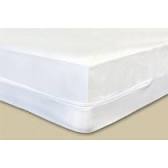
My wife and I have been using a pretty good and inexpensive mattress protector we purchased from Amazon when we bought our mattress. We’ve slept several times with it off to get a sense of the feel and I cannot tell any noteworthy difference in feel, comfort, or sound when the mattress protector is on vs. with it off. In addition to protecting your mattress from damage, liquids, etc. they can also aid in reducing allergens, dust mites, and asthma issues. If you have an older mattress that you’re not terribly happy with I would recommend a mattress pad. Mattress pads are an inexpensive way to add a little life to older or otherwise uncomfortable mattresses. If it’s a new mattress, there is no need to purchase a mattress pad (assuming you are happy with the mattress). A mattress protector on the other hand is all but required. It’s inexpensive, protects your investment, has no visible impact, and shouldn’t dramatically change the way the mattress feels. In my book it’s a no brainer.