highest rated crib mattress 2013
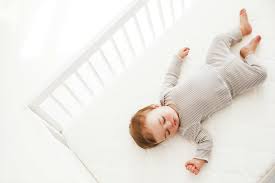
New parents spend a good amount of time deciding on the right crib but the mattress is really more important, considering it’s what your baby is actually sleeping on. So what makes a crib mattress “the best crib mattress?” I always thought it was mainly about support and good quality materials; the idea of safety as it relates to breathability never really occurred to me. But the Newton crib mattress has opened my eyes. And it’s not a zillion dollars, either. Related: Natural Mat baby mattresses: High-end and fabulous in every way Just in time for baby #2, I had a chance to try this breathable, washable, non-toxic crib mattress from the company, which was designed by sleep expert and father of three Michael Rothbard. Evidently breathability has huge benefits like greatly reducing the risk of suffocation or overheating — if your baby rolls over in the middle of the night, I like the idea that she can breathe well right through the mattress. The soft-quilted outer cover unzips and is machine washable, but you might be wondering how the heck a mattress can be washable too.

The Wovenaire inside core is made of 90% air, and the rest of a food-grade polymer instead of springs or latex or foam. That not only nixes all the toxic stuff, it makes it totally safe to wash in the bathtub with some soap without compromising quality.
best sleeper sofas of 2014So think diaper blow outs, projectile vomit, leaks… hey welcome to babies, new parents!
air mattress repair kit felt It’s also a good way to get rid of mold and bacterial which can grow inside a standard mattress making this a more hygienic option, especially if you want to pass it onto baby 2 or 3 or…well, let’s see if you get past the blow-out phase first.
selling a used mattress in texas And for those of you worried about toxic flame-retardant chemicals (none of us are fans), we love that Newton makes use of natural phosphates, i.e. salt, which meet the US safety standards but without spraying stuff on mattresses we don’t want our babies breathing.
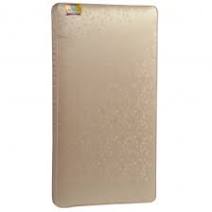
Of course safety is nothing without comfort I find the Newton crib mattress to be surprisingly cushy, and not at all plasticy feeling as I thought it might be. As it’s for a baby, I couldn’t very well get a full report of my infant feels after sleeping on it, but no complaints from what I can see. The one thing that may take some getting used to with a Newton mattress is that they recommend not using sheets on the mattress as it compromises breathability, which is the point in the first place. Now I know how much moms-to-be love designing nurseries around a favorite bedding set, so keep in mind there’s always the crib skirts and quilts for later on. Or if you do insist on using sheets, they recommend Aden+ Anais muslin sheets, which you certainly wouldn’t have to twist our arm on. The one really minor complaint is that if my baby soils the mattress in any of her wonderfully gross ways, I can’t simply take off the mattress pad and sheet and throw on a fresh one while I put her back down in the crib and carry on.

In other words, you’ll need somewhere else for a baby to sleep (sling, swing, Grandpa’s chest) while you’re washing and air drying the outside cover. Which is why I’d like a spare cover, or at least the Aden + Anais crib sheet option. One vote here for an extra cover to come with the mattress. The $295 price tag is more than standard mattresses for sure, but comparable to other luxury brands and sometimes even lower than other handmade or non-toxic crib mattresses like the Nook Mattress Lite which we also love. I’d definitely compare the two, which have some similar benefits. But I like that Newton has certification up the wazoo for their manufacturing process and recos from public health professionals and sleep coaches which inspire more confidence in us nervous new moms — though a pediatrician recommendation in terms of Newton mattress support would be nice too. What can I say, it’s a crib mattress. It’s a big deal for us. Order the Newton crib mattress at their webshop for $295 plus free shipping.
There’s a 100 night free trial which is totally worth it. Thanks to the company for sending CMP a unit for trial.As a soon-to-be mother, I’m in a bit of a pickle. Since we have a small budget and a smaller apartment, my husband and I purchased a used co-sleeper. It came with a polyurethane foam mattress bearing the telltale tag: It had been treated with fire retardants. My choices, as far as I can tell, are to 1) Keep the original mattress and live with the mom-guilt that’s already building. 2) Wrap the mattress in polyethylene. Some research out of New Zealand suggests this might reduce off-gassing. But does this even work? 3) Buy the bassinet manufacturer’s replacement organic mattress. It isn’t leak-proof, so I’d have to also fashion some kind of baby excretion barrier for this non-standard mattress. What should I do? Help a soon-to-be mother get some sleep. Lord knows I’ll need it soon! Nobody ever said parenting was easy — a lesson you’re learning well before you’re technically even parenting.

But it takes a village, and you can consider me the cheerful village apothecary. Or maybe the village blacksmith-slash-doctor? Or the shopkeep at the village nontoxic mattress store? You may well be in for some sleep deprivation when your chip off the old block arrives, but let’s do our best to make sure baby’s mattress, at least, isn’t one of the reasons. Alas, flame retardants are scary enough to make anyone sleepless. As you probably know, these chemicals — routinely found in furniture, car interiors, and adult as well as crib mattresses — have been linked to a host of health problems, including cancer. The adorably tiny size of babies and children, plus the fact that they’re still developing, makes them particularly vulnerable to flame retardants: In our zeal to protect them from fire, we have mandated the use of chemicals that pose health threats including developmental problems, hormone disruption, hyperactivity, and other behavioral issues. The good news is policymakers and manufacturers are coming around on this issue;
in a few generations, with any luck, we will not knowingly poison ourselves quite as often as we do today. In the meantime, it’s no wonder you’re about ready to weave your own bassinet cushion out of reeds. Given the potential risks, I’m going to advise you not to choose option 1, which was to keep the darn thing and feel guilty. I’m usually a big fan of secondhand shopping, but we know this item is laced with chemicals, and mattresses can offgas for years. Though I can already hear the chorus of “I slept on a toxic baby mattress and I turned out just fine,” I don’t see why we should perpetuate this toxic cycle. This brings us to option 2: Find a way to block the chemicals. You’re right that some people argue a thick, food-grade polyethylene cover will solve the problem by trapping flame retardants and other yucky things like fungus inside. Food-grade polyethylene is considered one of the safer plastics, and it works well (albeit loudly, they say) as a waterproof cover.

But I couldn’t find any scientific data to back up the anecdotal evidence that such a cover actually works, and some experts caution that noxious chemicals can probably seep out of seams and other tiny holes. So while this solution might provide short-term peace of mind, I think we’re zooming toward option 3: Use a new mattress. If the manufacturer’s suggested replacement is made of natural materials, such as organic cotton or (naturally flame-resistant) wool, you might want to spring for it if you possibly can — though doublecheck to make sure it hasn’t been treated with any weird chemicals. “Organic” doesn’t automatically mean chemical-free. As far as making it leakproof, that food-grade polyethylene seems like a good bet. Please don’t use other plastics, which pose health risks of their own. For you and other parents-to-be, Johanna, the good news is that we have more nontoxic crib mattresses than ever on the market. Look for tags that specify the mattress meets TB 117-2013, a new law that is easing us out of this chemical-reliant mess.

And though I stick to my brand agnosticism as much as possible, I’m hearing good things about this waterproof infant mattress, and this list can also get you started. You might also check Etsy, where some enterprising people are selling mattresses of wool and cotton, or try your hand at making your own to fit your co-sleeper. (If you go DIY, just avoid foam, which introduces even more chemicals into the mix.) A chem-free night’s sleep doesn’t always come cheap. But when you consider that infants might spend 12 hours a day or more napping on their mattresses, then add to that the value of your own peace of mind, this is one investment that seems likely to pay off over time. Perhaps the best thing to do would be to pass this column on to your parent/sibling/friend/favorite coworker and have that person make this a priority at your baby shower. Hey, that’s what these procreative rituals are for, right?Did you know babies will fall asleep on top of you, on top of any warm body, on the floor, in a box, on the grass, in a swing, or even at a bowling alley?