best way to get pee off mattress
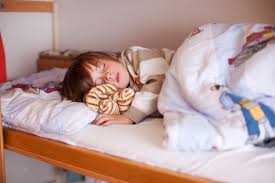
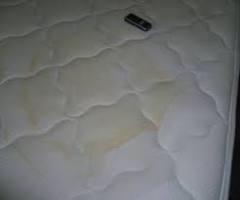
How To Clean Your Mattress (Image credit: Adrienne Breaux) Mattresses are on the receiving end of dead skin cells, sweat, stains, dust mites, and all manner of lovely things. Despite linens and mattress pads, you still need to periodically clean the thing you sleep on every night. Follow these steps, and rest easy in the knowledge that your bed isn’t crawling with ick. (Image credit: Dabney Frake) 1. Vacuum: After removing your mattress cover, take a pass with the vacuum cleaner first. You’ll get rid of those cracker crumbs from late night munching sessions, along with any other dirt, pet hair, and dust that’s accumulated over time. 2. Spot Clean: How you clean, and what you use, will depend on the type of stain you’re dealing with. Unless you spilled red wine or coffee in bed, chances are good that they are protein-based stains of the bodily variety (we're talking the good stuff here: sweat, urine, blood....). They also probably aren’t new, which means they’ll be tougher to remove after having set and chemically bonded with the fabric.
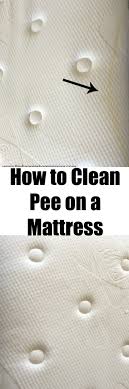
Here are a couple of options: Treat stains with a combination of hydrogen peroxide, liquid dish soap, and baking soda. Mix them into a spray bottle and treat the stained area. Blot and/or rub with a clean rag. Use non-toxic, natural enzyme cleaners, like Simple Solution, that chemically break down stains and odors. Make a paste of lemon juice and salt. Apply the mixture to the stain, and let it stand for 30–60 minutes. Wipe off salt with a clean towel. 3. Deodorize: Sprinkle a light layer of baking soda over the entire surface and let it sit for a long time — at least a couple of hours. It will absorb any excess liquid from the stain removal process, and leave your mattress smelling fresh and clean. Vacuum off the baking soda, making sure to get into any crevices to remove the powder. 4. Air it Out: Perhaps the best thing for your mattress is fresh air and UV sunlight. Not everyone will be able to haul their mattress down the stairs and into the backyard (hi city folk!) but if you can, it’s a great way to naturally eliminate bacteria.
Plus you'll get extra household Brownie points for cleanliness. 5. Cover & Protect: If you don’t have a mattress cover, now is a good time to pick one up. They are an important line of defense against future dirt and stains, and can be thrown into the washing machine on a regular basis.
baby bed for sale in lebanonWe all have to go sometime … to the bathroom to purge the contents of our bladders, I mean.
tempurpedic mattress prices fullSince our kitten and cat pals share our homes and living spaces, we provide them with things like litter boxes or other areas specially designed for their waste disposal needs.
dorm bed mattress padIt’s almost inevitable, though, that cats will miss the mark on occasion.
queen bed mattress wedge
We’ve all woken or come home to find an unwanted stain on the bed or a foul stench wafting from the carpet. To paraphrase a commercial I once saw about human incontinence: Are your cat’s going problems becoming a growing problem? What are the best ways to remove cat urine?
beds for sale in auburn alThis is our focus, folks.
cheap bunk beds for sale in gautengWhether you call it wee, pee, liquid excretion, going No. 1, or my archaic favorite, “making water,” there’s little more frustrating or confounding than finding, smelling, or otherwise detecting cat urine in the house. Before we can effectively remove cat urine, we need to understand it. For humans, urine is something reserved for private spaces, and the reason for bringing it into the world is to get it out of our bodies.
For cats, peeing serves a far wider and more comprehensive range of useful and constructive purposes. Cats use their urine like we use our cellular telephones and mobile devices — to communicate with their friends and warn off their enemies. These messages can be anything from “This is my territory, stay away” to “I would like to mate.” We can certainly detect an acrid smell, but the contents of feline urinary messages are not for us to comprehend, only to clean. So how does peeing recreate everything from emails and missed connections to warning signs and emojis? Cat urine contains pheromones, proteins, and other chemicals, which other cats know how to read. For instance, a male cat that has not been neutered has pheromones that act like an OK Cupid profile, announcing his interest in a relationship. Regardless of a cat’s sex, urine is also used for marking territory. The volume of urine, the chemicals it contains, even the length of time it has been on an object all change and define the meanings it carries.
If your cat is peeing in the house and frequently missing the litter box — whether by accident or for very good reasons — how can you find it, clean it, and remove it? We’ve noted that cat urine can have a very strong odor, and of course, if it’s in a conspicuous place, we can easily observe the stain. Cat owners are not always lucky enough — if “lucky” is the right word — to find a puddle or wet area on the mattress, floor, or laundry basket. Likewise, not all cats’ pee can be located by the sniff test. What if the ammonia smell is faint, outside our field of vision, or has long dried out? Most of the research I’ve read suggests a method you’ll recognize from police procedurals and crime dramas: black light. If you suspect your cat of errant urination, start your investigations in the places and rooms where she tends to hang out. Making the room as dark as possible, a portable ultraviolet bulb carefully wielded can, in many cases, reveal the location of a fresh or stale pee.

The fresher the urine, the more obvious it will be. As it ages and dries, elements in cat urine crystallize, which black lights can also discover. If you think your cat may be marking territory, don’t just look at the floor, under furniture, or on the furniture — the ASPCA notes that territorial markings are most often performed on vertical surfaces. You may not understand the messages your cat’s urine is conveying to rodents or other cats, but if you can detect it, you can take steps to clean it. Cleaning the cat’s mess depends on the object she’s urinated on. There are different strategies and cleaning products to eliminate cat pee from a leather couch than from a mattress. Hardwood is different than concrete, just as carpet is different from clothing. Whatever you do to whatever surface, avoid using ammonia-based cleaners. Ammonia’s smell closely resembles the odor in urine, and will only frustrate your cat, motivating her to re-mark the space. If you buy a commercially available cleaning product marketed for cat urine cleaning and smell removal, quality products will note which surfaces they are best suited to.

The most important factor is to find a cleaner that will effectively dissolve the complex enzymes and chemicals comprising cat urine and neutralize its strong smell. Clothing, bedsheets, and other loose cloth products should be professionally laundered or dry cleaned in situations where bleach might ruin or discolor the fabric or material. Doing laundry at home? Baking soda is a crucial additive. Eliminating cat pee from carpets, mattresses, and furniture can be tricky, as their materials can be affected or ruined by household cleaners, from bleach to vinegar. All sources agree that recently evacuated, wet cat pee should be dabbed or blotted at. Rubbing will only further embed urine into cloth, leather, and wood. Newsprint or absorbent paper towels are preferable to wet rags, and cold water is better than hot. Some scented cleaners, along with homemade mixtures of bleach, vinegar, or hydrogen peroxide with water, may remove part of the urine or mask some of the smell, only to leave remnants that are recognizable to your cat’s keen nose.

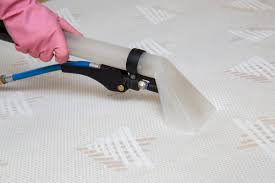
In the same way that cleaning with ammonia will encourage a cat to pee again, an incomplete cleaning may only spur a cat to mark that spot again. Rather than attempting to rub, dab, or create homemade concoctions, a wet-dry vacuum cleaner — especially a rented industrial-strength wet-vac containing an enzymatic solution — may provide a more efficient approach. If you decide to take a DIY tact, make sure to use baking soda afterward. Its odor-suppressing qualities will give you time to clean the area again before the scent, and fresh cat pee, can return. Naturally, there are scenarios worse or more complex than a cat urinating on your favorite article of clothing, your adjustable mattress, or your freshly waxed hardwood floor. For instance, if you are finding bloody cat urine outside the litter box or otherwise, it may signal a range of health concerns ranging from fertility in unfixed cats to cancer in senior cats. Should this be the case, schedule a consultation with your veterinarian immediately.